
Digital Evangelism
How to Use Your Church’s Sermon Library as an Evangelism Tool
Most congregations treat their sermon archive as a resource for members. It’s actually one of the most powerful things you have for reaching seekers.
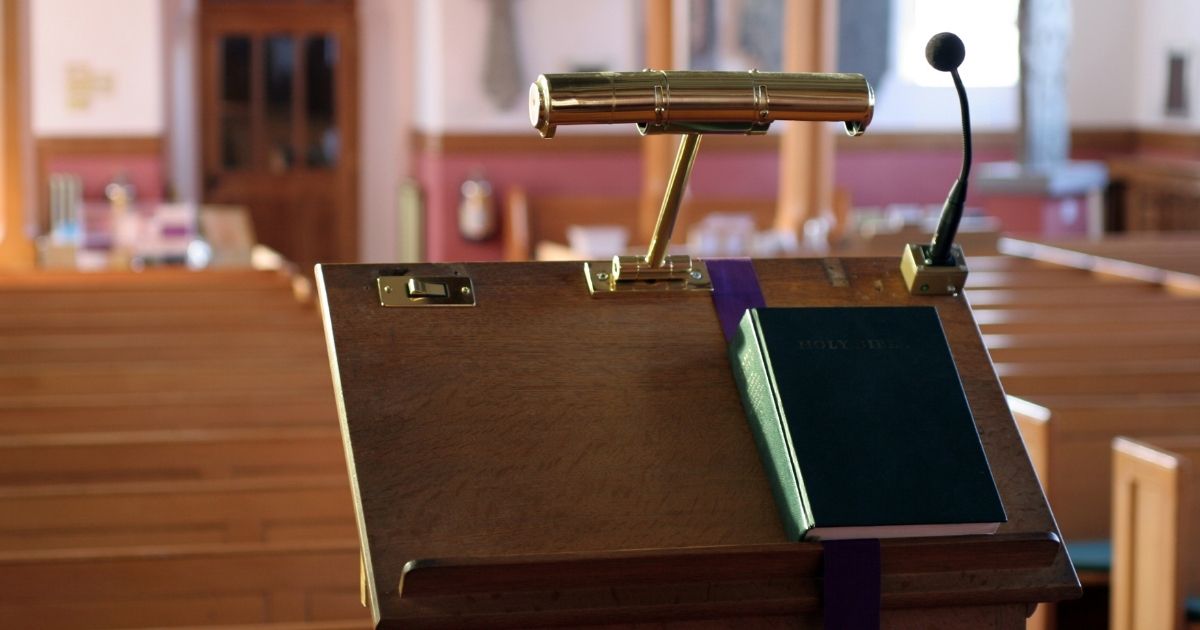
A person goes through a hard season — a divorce, a death, a quiet crisis of meaning — and they start searching. Not necessarily for a church. Maybe they’re not even sure they believe in God. But something in them is looking, and they end up on YouTube, or Google, or Facebook, and they find a sermon from a preacher they’ve never heard of at a congregation they didn’t know existed.
They listen. And then they listen again. And by the third or fourth sermon, something has shifted. They feel like they know this person. They feel like this congregation might be a place for them. And then they visit. And they stay. This isn’t a rare story. It happens regularly at congregations with accessible, well-organized sermon content online. And it almost never happens at congregations whose sermons are locked in a private folder, buried in an unnavigable archive, or simply never recorded at all. Your sermon library isn’t just for members. It’s one of the most powerful trust-building tools you have for people who aren’t yet part of your congregation.Why Sermons Work for Seekers
Think about what a sermon actually is from a seeker’s perspective. It’s 30 to 40 minutes of your preacher’s heart: theology, warmth, relationship to the text. Listening to a few sermons gives a spiritually curious person something no website copy or social media post can: a genuine sense of what your congregation is actually like. By the time someone who’s been listening to your sermons walks through your door for the first time, they’re not really a stranger. They’ve already formed an impression. They’ve already decided, at some level, that they trust this person and this community enough to show up. That’s not a small thing. The biggest barrier to a first visit is usually fear of the unknown — not knowing what to expect, whether they’ll fit in, whether they’ll be welcomed. A sermon library that’s easy to access slowly dissolves that barrier before anyone ever sets foot in the building.What Most Churches Do Wrong with Their Sermon Archive
The most common approach to sermon content looks something like this: the preacher records his messages, a volunteer uploads them to a page on the website, and they sit there in chronological order with titles like “Sermon: March 9” or “Wednesday Night Class: Hebrews 3.” That format serves members who already know the context. It does almost nothing for a seeker. Here’s why: a spiritually curious person browsing your sermon library has no frame of reference. They don’t know what the Hebrews series is about. They don’t know what was happening in the congregation in March. They’re looking for something relevant to where they are — and a raw, undifferentiated list of recordings gives them nothing to grab onto. The result is that they give up and move on, even if the actual content is exactly what they needed to hear.How to Make Your Sermon Library Work for Seekers
A few changes can transform your sermon archive from a member resource into an evangelism tool.Name your sermons for the person who doesn’t know you
Titles like “Hebrews 3: Week 6” mean nothing to a first-time visitor. Titles like “What to Do When Life Feels Like It’s Falling Apart” or “Why the Church Matters (Even When It’s Hard)” tell a seeking person exactly whether this message is for them.
You don’t have to abandon expository preaching — you just need to translate the topic into language that speaks to where people actually are.
You don’t have to abandon expository preaching — you just need to translate the topic into language that speaks to where people actually are.
Feature series with clear descriptions
A well-labeled series is more inviting than a single sermon, because it communicates that there’s depth here — that this is a community that spends time in the word, not just hits a verse and moves on.
But the description matters. “A six-week study of the Sermon on the Mount” tells a seeker something meaningful. “Matthew Series, Part 1–6” tells them nothing.
But the description matters. “A six-week study of the Sermon on the Mount” tells a seeker something meaningful. “Matthew Series, Part 1–6” tells them nothing.
Make it accessible: everywhere
Your sermon content shouldn’t only live on your website. YouTube is a search engine. Podcast apps are how many people consume audio content. Wherever you can put your sermons, put them — with consistent naming and descriptions. The goal is to be findable wherever a searching person might be looking.
Keep it current
An archive where the most recent sermon is from 18 months ago doesn’t signal an active congregation — it signals a congregation that gave up on this. Consistent, regular uploads, even if they’re not perfectly produced, tell a seeking person that there’s life here.