
Church Outreach
What Baptisms and Visitor Trends Tell Us About How People Find Churches Today
The data is worth looking at. So are the stories.
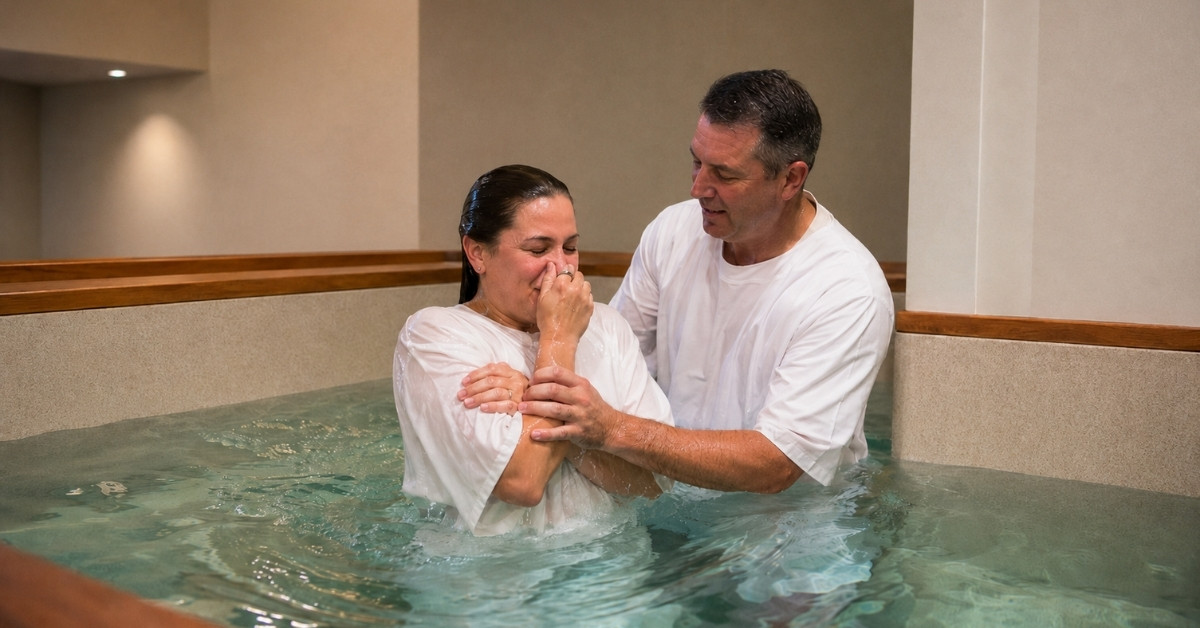
“We’ve had a steady stream of visitors recently, at least partially due to all the promotional efforts. And we’ve had two baptisms which are the direct result of these digital evangelism efforts, plus a little follow-up on our part.”
MW
Mike Wilson
Evangelist, Santa Clara Church of Christ
Two people in Christ. People who found a congregation online, took a step, and were met by a community that followed up. That’s not a marketing story. That’s the Great Commission working through a new channel.
It’s also not a fluke. Across the congregations we work with at Project Go, we see the same pattern again and again: the churches that are findable online are baptizing people because of it. The churches that aren’t findable are wondering why visitors are hard to come by. So how do people find a church in 2026? Let’s look at what the data and the stories actually tell us.The Search Is Happening Whether You’re Ready or Not
Every month in the United States, millions of people search Google for terms like “churches near me,” “church of Christ in [city],” “non-denominational Bible church,” and “how to become a Christian.” These aren’t people idly browsing. They’re searching with intention — meaning they’re at some level of spiritual openness, from casually curious to actively seeking. The question is whether your congregation shows up when they do. If you’re not on Google’s radar — no Google Business Profile, an outdated or absent website, no local SEO signals — you’re invisible to those searches.What the Research Tells Us
The data on how people find and choose a church has shifted dramatically over the past decade. A few findings worth knowing:Most first-time visitors check a church’s website before they visit
This isn’t a small majority — it’s the overwhelming norm. Before someone drives to your building on Sunday morning, they’ve already looked you up. They’ve read your homepage, looked for photos, checked when services start. If what they found was outdated or unwelcoming, many of them decided not to come before they ever got in the car.
Younger adults are nearly entirely digital-first in how they discover churches
If your congregation is wrestling with how to reach people under 40, this is the starting point. They’re not going to hear about you from a mailer. They’re going to find you the same way they find everything else: online.
Word of mouth still matters — but it’s changed
A member inviting a friend to church remains one of the most effective forms of outreach. But here’s what’s different now: when that friend gets the invitation, their next step is usually to look you up online before they say yes. Your digital presence is the thing that either confirms the invitation or undermines it.
The Pattern We See in Congregations That Are Growing
Our perspective at Project Go
Across the churches we work with, the ones seeing consistent visitor traffic and baptisms share a few things in common. It’s not a coincidence — and none of it requires a big budget or a full-time staff.
Findable
They have a Google Business Profile with accurate information, real photos, and reviews. When someone searches for a church in their city, they show up.
Website that converts
Not just service times — who they are, what to expect, and what they believe. A seeker leaves with enough warmth to want to visit.
Personal follow-up
When a visitor fills out a form or shows up, someone reaches out within 24–48 hours. The digital tool opens the door. The relationship walks them through it.
Consistent
They post regularly. They update their website. They treat digital outreach like any other ministry — ongoing faithfulness, not a one-time effort.
What This Means for Elders and Preachers
If you’re a leader in a congregation and you’re wondering whether this digital outreach conversation is worth your time and attention, the honest answer is: the conversation is already over. People are searching. The question is just whether they find you. You don’t have to overhaul everything at once. But a few questions are worth asking honestly:- When someone searches for a church in our city, do we show up?
- If they find our website, does it give them a reason to visit — or reasons to hesitate?
- When someone does visit for the first time, do we have a system for following up?