
“There Aren’t Enough People Searching in a Town Our Size”
We hear this one from good men in small places. The congregation meets in a county of four thousand, or a farming community where everybody already knows everybody, and the idea of reaching people online feels like something built for churches in Dallas.
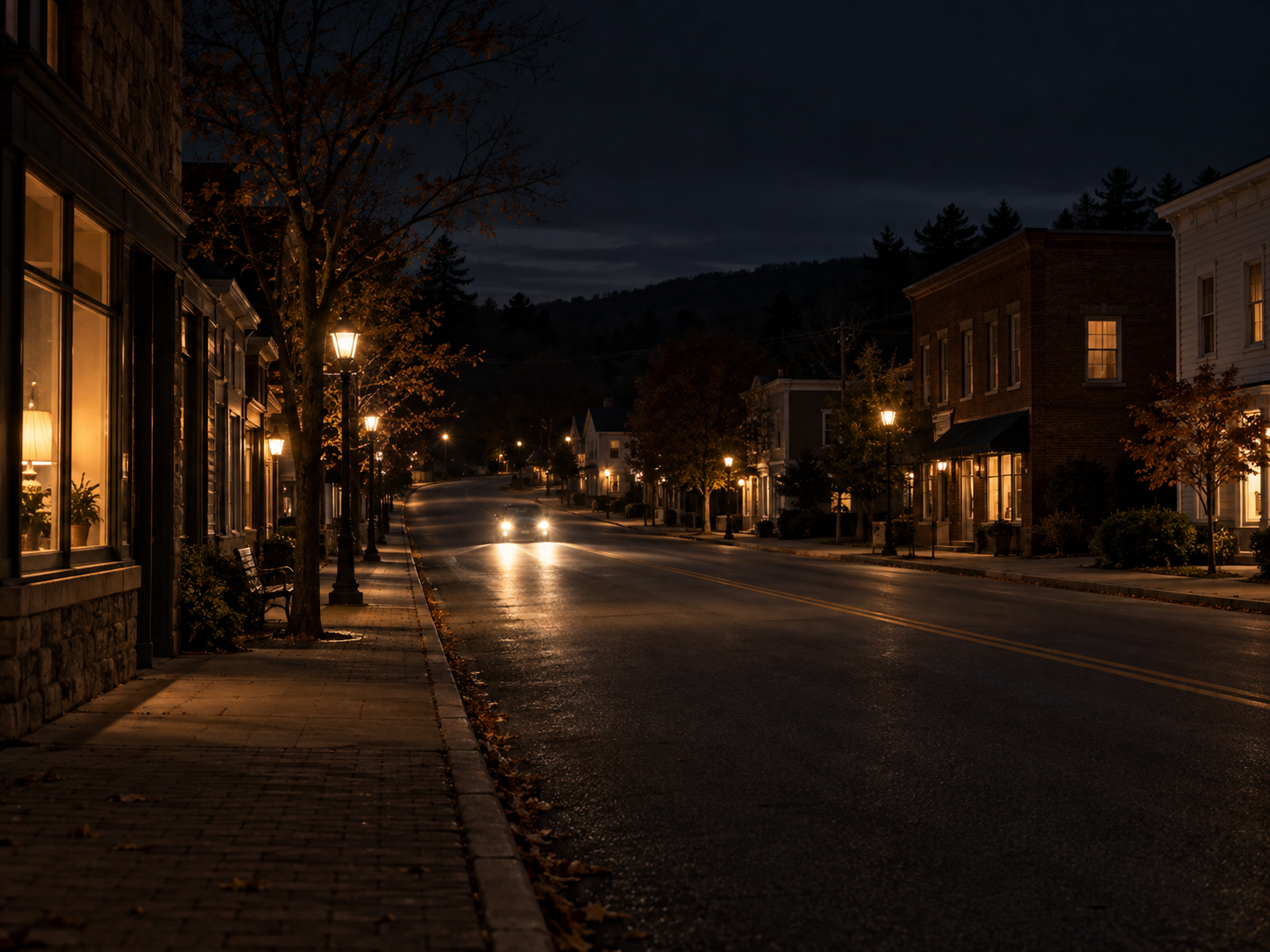
We hear this one from good men in small places. The congregation meets in a county of four thousand, or a farming community where everybody already knows everybody, and the idea of reaching people online feels like something built for churches in Dallas.
The reasoning goes like this. Not many people live here. Everyone who wants a church already has one. So there’s nobody out there searching, and this whole thing is aimed at somebody else.
We understand it. And we’d like to gently turn it over, because the math in a small town actually runs the opposite direction from what most leaders assume.
The Number You Need Is Smaller Than You Think
Start with the honest part. You’re right that fewer people are searching. In a town of three thousand, you likely won’t see hundreds of people looking for a church in a given month.
But ask the question that actually matters. How many souls would make this worth it to you?
Most preachers and elders, when pressed, will say something like one. One family. One person who was drifting and came back. One young man who had questions and nobody to ask.
That number is not out of reach in a town of three thousand. It may be closer than it is in a city, which brings us to the part small congregations tend to miss.
Small Towns Are Easier to Win, Not Harder
In a city, a congregation is one of six hundred churches competing for attention. Being findable there takes real effort, and you’re still a small voice in a loud room.
In a town of three thousand, there might be eight churches, and it’s entirely possible that not one of them has a website worth reading. Maybe two have accurate service times. Maybe none have published a plain answer to a real spiritual question in the last five years.
In that setting, being the congregation that shows up clearly when someone searches is not a competition. It’s an open field. The work required to become the most findable, most helpful church in a small county is a fraction of what it would take in a metro area, and the advantage lasts longer because nobody else is working at it.
Small markets are the easiest places in the country to be found. Most congregations in them have simply never tried.
Who’s Actually Searching in a Small Town
It’s worth naming who these people are, because “nobody’s searching here” usually means “I can’t picture who would.”
The young family that moved in last spring for a job at the plant. They know no one. They will absolutely look online, because they have no other way to look.
The man who grew up in the church, drifted in his twenties, and is now forty with a marriage in trouble. He is not going to walk up and ask anybody in a town this size, precisely because everybody knows everybody. A screen is the only private door he has.
The woman whose mother just died, sitting up at two in the morning with questions she’s never said out loud.
The teenager wondering whether any of what he’s been told is true.
Here’s the thing about a small town that cuts against the assumption. Anonymity is scarce. In a place where being seen walking into a building is news, the internet is not a lesser option for a searching person. It is often the only option that feels safe. Your neighbors have more reason to look quietly, not less.
Everyone Already Knows We’re Here
This is usually the second objection, and it deserves a straight answer.
They know the building exists. That’s different from knowing what you teach, whether they’d be welcome, what a service is like, or whether the people inside would receive them after the way they’ve been living.
Familiarity is not the same as an open door. In fact, small-town familiarity often comes with assumptions attached, some of them wrong and some of them decades old. Being present and clear online is how those assumptions get corrected quietly, without anyone having to admit they were curious.
What We’d Actually Do in a Small Town
We’d keep it simple, because a small congregation should not be running a big program.
Claim your listings, fix your times, put up real photos. In a small market this alone can make you the most visible church in the county.
Not “our mission statement,” but plain writing about grief, doubt, marriage, forgiveness, what your congregation believes and why. A handful of honest pieces goes a long way where nobody else has written any.
Short clips reach people beyond your county line too, which matters more than you’d think for the folks who moved away and the ones who’ll move in.
In a town where one soul is the goal, every single message is significant.
The Fields Are the Fields
Jesus said to lift up your eyes and look on the fields. He didn’t say lift up your eyes only if the field is large.
A small harvest is still a harvest, and the worth of one soul doesn’t scale with population. If anything, a congregation in a small place has an advantage the big ones would envy, because when you do reach somebody, you can actually walk with them. You’ll know their name, their family, and their trouble. You won’t lose them in a crowd.
So no, there probably aren’t hundreds of people searching in your town this month. There are a few. And in a place your size, a few is exactly what you were praying for.
If you’d like an honest look at what it would take to be the most findable church in your county, we’d be glad to talk it through.
At Project Go, we work with congregations in small towns and large ones. If we can help you be found where you are, book a call.
Want to Be the Most Findable Church in Your County?
Let’s take an honest look at what it would take, whatever the size of your town.
Book a Free Discovery Call