
“People Are Finding Us. Nobody Contacts Us.”
This is a better problem than the one most congregations have, and it’s worth saying so first.
This is a better problem than the one most congregations have, and it’s worth saying so first.
If people are landing on your site, you’ve already solved the hard half. You’re findable. Strangers in your community know you exist and can locate you. Plenty of churches would trade places with you tomorrow.
But it’s a real problem all the same, and a frustrating one. Traffic with no inquiries feels like preaching to a room you can’t see. So let’s work out what’s actually happening in that gap.
Nothing on the Page Asks Them to Do Anything
Start with the simplest explanation, because it’s the most common one.
Many church sites give a visitor nowhere to go. There’s information, sometimes quite a lot of it, and then it just ends. No invitation, no next step, no suggestion of what a person might do if something stirred in them while reading.
A stranger will almost never invent a next step on their own. If you don’t name one, they close the tab, and nothing about that means they weren’t interested.
So look at your pages and ask a blunt question. On each one, what is the thing I’m hoping this person does? If you can’t answer it, neither can they.
The Only Option Is Too Big a First Step
This is the subtler problem, and we think it’s the most common one at churches that have thought about this at all.
Most church sites offer exactly one way to respond: a contact form, or a phone number, or “come visit us Sunday.” Those are all enormous asks for someone three weeks into quietly wondering about God.
Think about what a contact form actually requires. Give us your name, your email, and write out in your own words why you’re reaching out to a church. For a person who is embarrassed, unsure, or carrying something they’ve never said aloud, that’s a lot. Many will get halfway through and abandon it.
The fix isn’t a better form. It’s offering a smaller step.
What does a smaller step look like? Something they can do without identifying themselves or explaining anything. Reading a page that answers the question they came in with. Watching a short lesson. Downloading something. Seeing exactly what a visit would be like, hour by hour, so they can picture it without committing. Each of these lets a person move toward you while staying safe, and people who take a small step are far likelier to take a bigger one later.
Give them a ladder, not a leap.
They Don’t Trust You Enough Yet
A person contacts a church when two things are true. They want something, and they believe reaching out will be safe.
You may have the first and not the second. If your site is all information and no warmth, if there are no faces of real people, if nothing acknowledges that reaching out takes courage, a guarded person might read all of it and still not act.
This is where a few sentences do more than a redesign. Tell someone plainly that they can ask anything and a real person will write back. Name the person who answers. Small assurances like that address the actual hesitation, which is almost never a lack of information.
You’re Asking at the Wrong Moment
Timing matters more than most churches realize.
A contact link buried in a navigation menu is available but never offered. It sits there for someone already determined to find it. Meanwhile the moment when a person is most likely to act is right after something landed on them, at the end of a page that spoke to their situation.
So put the invitation where the feeling is. If you have a page about grief, the invitation belongs at the bottom of that page, and it should sound like it belongs to that page. Not a generic contact button, but something closer to, if you’re walking through this right now, you can write to us and someone will answer.
Nobody Knows What Happens Next
People hesitate when the consequences are unclear. Reaching out to a church feels, to an outsider, like it might start something they can’t stop. Will I get calls? Will people show up at my house? Am I on a list now?
Say plainly what happens. One person reads it, one person writes back, and that’s it. Nothing happens that you don’t ask for. That sentence alone has unlocked more messages for churches than any design change.
A Short Diagnostic
Sit with your own site and go through this honestly.
- Is there a clear invitation on every significant page?
- Is there any way to respond that’s smaller than a contact form?
- Would a nervous person feel safe, or merely informed?
- Is the invitation placed where the emotion is, or only in the menu?
- Does anything explain what happens after they write?
Most churches with traffic and no inquiries will find their answer in the second or third question.
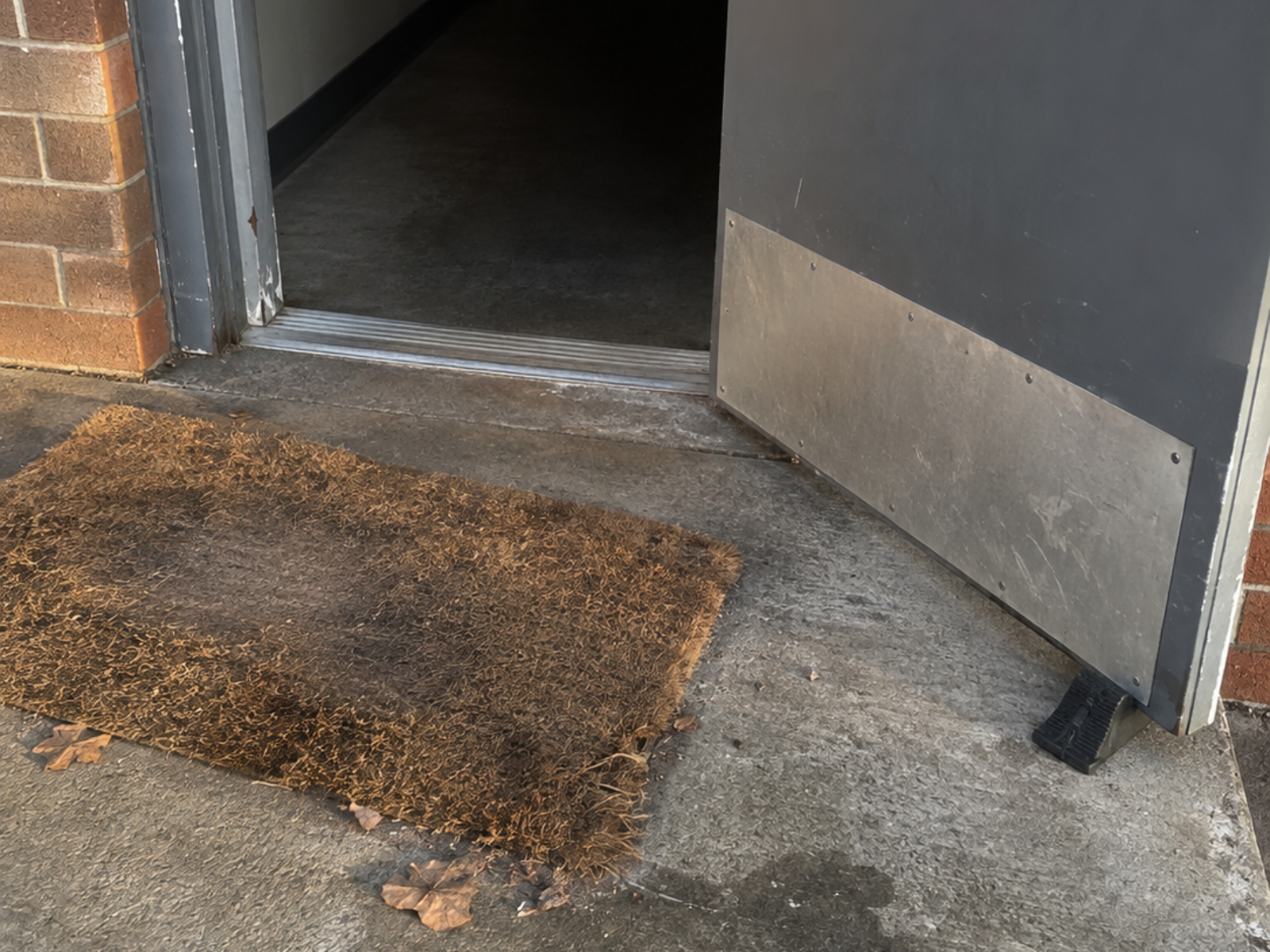
The encouraging part is that all of this is fixable in an afternoon, and none of it requires more visitors. The people are already coming. They’re just standing at the edge with nothing to step onto.
If you’d like a second set of eyes on where your site loses them, we’re glad to look.
At Project Go, we build church websites that give a searching person somewhere to go. If we can help, book a call.
Turning Traffic Into Real Conversations?
Let’s look at where your site loses the people who are already finding you, and give them a smaller first step.
Book a Free Discovery Call