
Should Your Church Livestream Its Services?
It’s a question a lot of congregations have wrestled with, and brethren land in different places on it in good faith.
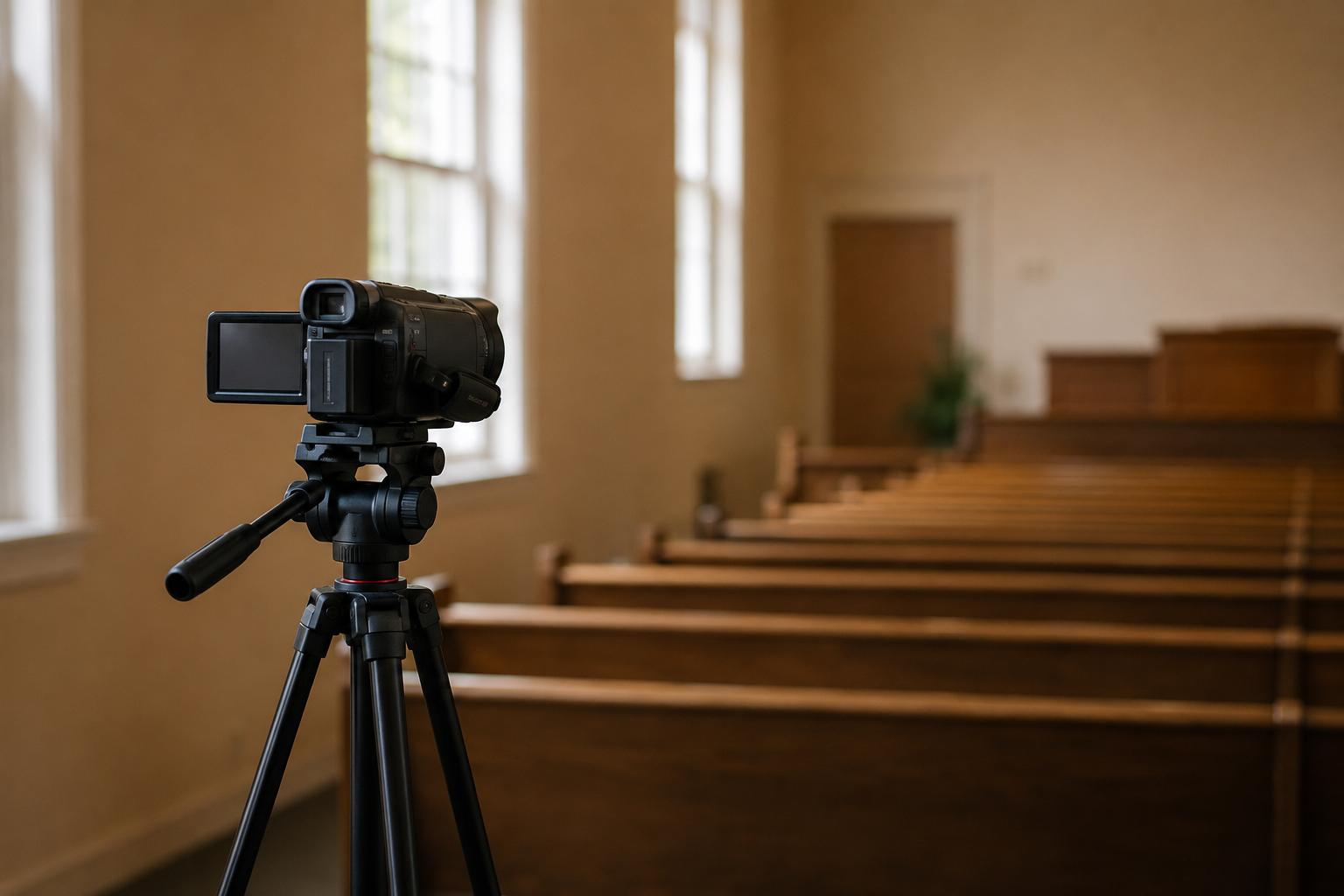
It’s a question a lot of congregations have wrestled with, and brethren land in different places on it in good faith. Some churches stream everything. Some tried it and stopped. Some have decided against it on principle. All of them have reasons worth hearing.
We’re not going to tell you what your congregation should decide. That’s a matter for your elders, who know your people and their needs far better than we ever could. What we can do is lay out the considerations honestly, including the ones that cut against streaming, so your leaders can make the decision with everything on the table.
The Concerns Are Legitimate
Let’s start here, because these concerns are often waved off and they shouldn’t be.
These aren’t small objections. A church that decides against streaming for these reasons is not being backward. It’s being careful about something that matters.
The Other Side Is Real Too
At the same time, there are people that streaming genuinely serves, and they’re easy to overlook if you’re only thinking about members who might get lazy.
The Homebound and the Sick
The homebound and the sick are the clearest case. The elderly sister who can no longer travel, the member recovering from surgery, the young mother with a contagious child, the brother receiving treatment out of state. These people aren’t choosing convenience. They’re cut off, and they often grieve that far more than anyone realizes. Being able to hear the singing and the lesson from their own congregation, with voices they know, can be a real comfort and a real tie to the family they miss.
The Searching Person Who Isn’t Ready to Walk In
There’s also the searching person who isn’t ready to walk in. For someone who has never attended anywhere, watching first is often how they gather the courage to visit. What feels to us like a substitute for attendance can be, for them, the on-ramp to it. Plenty of first visits began with someone quietly watching for a few weeks from a safe distance.
Members Away From Home
And there are members traveling, working an unavoidable shift, or temporarily far from home who are grateful to stay connected to their own congregation rather than feeling adrift.
The Questions That Actually Decide It
Rather than arguing the general case, we’d suggest your leaders talk through a few specific questions, because the answers differ from one congregation to the next.
Whatever You Decide, Decide It on Purpose
The worst outcome here is drifting into a practice, or out of one, without ever having talked it through as a congregation. A stream that started during an unusual season and has never been examined since, teaching things nobody intended to teach. Or a homebound member quietly cut off from the congregation’s life because the question was never seriously considered.
So take it up deliberately. Let your elders, deacons, and preacher weigh the concerns and the needs, decide with clear reasons, teach the congregation why, and revisit it as circumstances change. Brethren who reach different conclusions here can both be acting faithfully. What matters is that the decision serves your people and honors the assembly rather than happening to you by default.
At Project Go, we help churches of Christ think through how they use the internet, including when the answer is to do less rather than more. If we can help you reason through it, book a call.
Want Help Thinking It Through?
Book a call and we’ll talk through your congregation’s situation honestly, with nothing riding on it. If the answer is to do less rather than more, we’ll say so.
Book a Free Discovery Call