
The Questions People Are Afraid to Ask Before They Ever Visit
Most people thinking about visiting a church won’t call, won’t email, and won’t ask — they’ll search quietly, and if they can’t find honest answers, they’ll simply stay home.
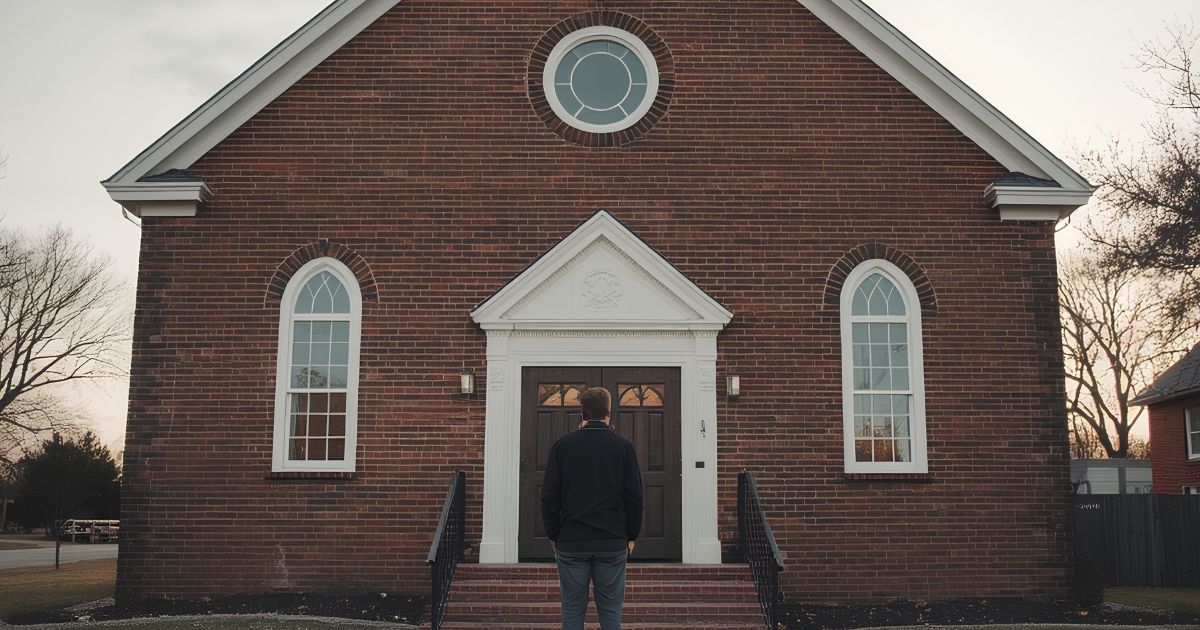
Most people who are thinking about visiting a church will never tell you they’re thinking about it. They won’t email. They won’t call the building. They won’t stop a member in the grocery store and ask what a service is actually like. Instead, they’ll sit at home with their phone and a quiet, nagging set of questions — and before they ever decide to walk through your doors, they’ll try to answer those questions on their own.
Here’s the part worth sitting with: if they can’t find honest answers, most of them will simply stay home. Not because they aren’t searching. Because the unknown felt safer than the risk.
There’s a simple principle behind a lot of good outreach: answer the questions people are already asking — even the awkward ones, especially the awkward ones. The more honestly you answer before someone visits, the more comfortable they feel actually showing up. You’re not lowering the bar. You’re removing the fear that keeps a searching soul standing on the sidewalk.
So what are people actually wondering? After years of listening to first-time visitors, the same handful of questions come up again and again.
The Questions They’re Carrying
You can lift that weight with a few honest sentences. Walk them through it. “We sing together, someone leads a prayer, there’s a lesson from the Bible that runs about thirty minutes, and we share the Lord’s Supper. Most people are here a little over an hour.” That’s it. You’ve just turned a frightening unknown into something a nervous person can picture themselves doing.
This is your chance to be genuinely helpful instead of vague. Say what you believe about Jesus, about the Bible, about how a person comes to God. Write it the way you’d explain it to a friend across the table — not the way you’d word a statement for other Christians to read. The person reading it has likely never heard these things explained simply, without assuming they already know the language.
So tell them what to expect, plainly. They can come, sit, listen, and leave. No one will corner them. There’s no cost to walk in the door. When you take the pressure off in writing, you’re often the first person who ever has — and that honesty builds more trust than any amount of polish.
Why Answering These Questions Is Its Own Kind of Outreach
It can feel strange to spend time writing out the obvious. Of course they can just come. Of course no one will embarrass them. But the things obvious to a lifelong member are exactly the things a searching soul has no way of knowing. The gap between what we assume and what they fear is where most people quietly give up.
Jesus met people where they were. He answered the question behind the question. He didn’t make the searching soul cross the whole distance alone before he’d say a word. When you answer these questions openly — before anyone asks — you’re doing a small version of the same thing. You’re closing the distance. You’re making the first step lighter.
Take an honest look at how your church shows up online right now. If a nervous, curious person found you tonight, would they walk away with their real questions answered? Or would they walk away still guessing, and decide that staying home was safer?
You can change that answer. And when you do, you make it just a little easier for a searching soul to come and see.